


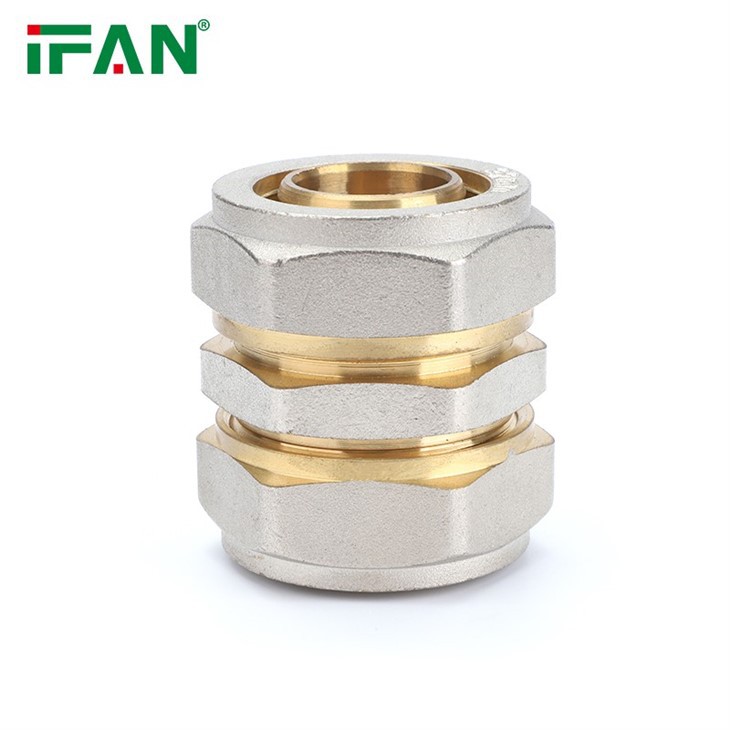
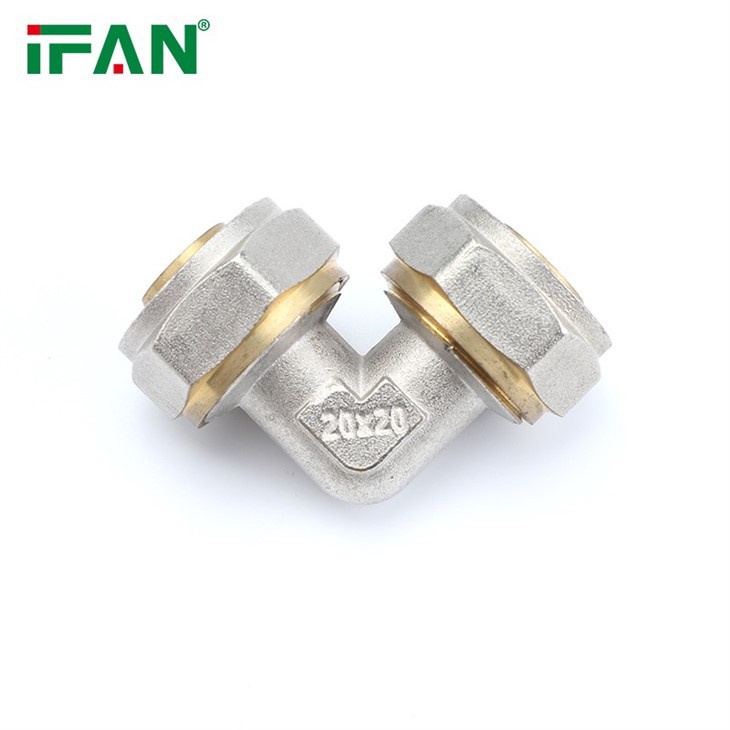
Avoid Costly Repairs In Tight Corners
Brand:IFAN/OEM
Applications:Potable Water Systems/Radiant Heating Systems/Hydronic Heating Systems/HVAC Systems/Geothermal Systems
Color:Silver,Double Color Or Customized
Send Inquiry
Product Details ofAvoid Costly Repairs In Tight Corners


|
Product Name |
IFAN Pex Compression Fittings |
| Size | 16-32mm |
| Color | Golden And White or Customized |
| Brand | IFAN |
| Sample | Sample Free |
| Contact | Click HERE to contact us now! |
Welcome to contact IFAN, we are online 24 hours a day to answer your questions!
Plan Installation Around Space Limits
Working in confined spaces requires precise planning before installation begins. Tight corners restrict movement, making it essential to position tools and materials carefully. Measuring the available area ensures that fittings can be assembled without forcing alignment. When access is limited, even a small misalignment can complicate the process. Planning helps identify potential obstacles such as nearby walls, framing, or other plumbing lines. With an accurate layout, installers can determine the best angle for each connection. Proper preparation minimizes rework, prevents fitting strain, and allows smooth operation even in cramped environments.
Use Controlled Movements for Accuracy
In narrow spaces, large or hurried motions often cause errors. Working slowly and with control improves precision and reduces stress on fittings. Controlled movements help prevent cross-threading or over-tightening, both common issues when access is limited. Using compact tools allows installers to reach tight spots without damaging nearby materials. Each motion should be deliberate and steady, ensuring components align perfectly before tightening. Small, measured adjustments help maintain proper compression pressure. This careful handling ensures consistent sealing performance, even when space restricts normal working angles. Accuracy through calm, deliberate motion keeps connections stable and long-lasting.
Optimize Tool Selection
Choosing the right tools determines how efficiently fittings can be managed in tight areas. Standard wrenches may be too large for restricted corners. Compact or offset wrenches offer better leverage and control without damaging surfaces. Tools with ergonomic grips reduce fatigue during extended work in awkward positions. Lightweight materials make frequent adjustments easier, especially in overhead or corner installations. Some installers use ratcheting tools for gradual tightening when full rotations are impossible. Optimized tool selection ensures each fitting can be tightened evenly despite limited space. Proper equipment simplifies the process and prevents damage caused by awkward handling.
Maintain Proper Alignment in Confined Spots
Maintaining alignment in tight corners prevents leaks and structural stress. Even small deviations in pipe angle can cause uneven compression, leading to long-term issues. Before tightening, ensure that pipes are fully seated and positioned straight within the fitting. Using a small level or guide helps verify alignment when visual access is limited. Misalignment correction after tightening is difficult in confined areas, so accuracy during setup is critical. When working against walls or beneath fixtures, leave minimal but sufficient clearance for minor adjustments. Consistent alignment ensures durable connections and stable performance within restricted installation zones.
Control Environmental Interference
Tight corners often expose fittings to environmental interference such as vibration, temperature changes, or restricted airflow. To prevent future problems, secure fittings firmly and ensure surrounding materials do not apply pressure. Adding small protective padding between fittings and surfaces helps prevent abrasion. In spaces near appliances or ventilation ducts, temperature control becomes important to prevent material stress. Vibration dampeners can reduce movement from nearby machinery or plumbing lines. Controlling environmental effects within confined areas preserves fitting stability and reduces wear over time. Attention to these conditions ensures consistent function and long-term reliability in compact settings.
Sequence Installation Efficiently
Proper sequencing simplifies fitting placement in areas with limited reach. Installing components in a logical order avoids unnecessary rework and provides better access during each step. Begin with the most challenging corner connections before proceeding to more accessible ones. Early completion of tight-corner work prevents obstruction from newly installed parts. When planning the sequence, consider future maintenance accessibility. Strategic order of assembly ensures fittings remain serviceable without requiring disassembly of surrounding sections. Sequenced installation reduces fatigue, shortens working time, and minimizes accidental damage to other components. Efficiency in order and timing keeps confined installations smooth and controlled.
Utilize Adequate Lighting and Visibility
Poor lighting complicates precision work in confined corners. Installing temporary lighting ensures visibility for each step. A portable LED lamp or head-mounted light provides clear focus without occupying valuable space. Shadows often conceal alignment issues or small leaks during testing. Proper lighting exposes these details early, preventing later rework. Reflective surfaces or white backgrounds can enhance light distribution in dark corners. Clean work areas further improve visibility, reducing distractions and preventing debris from affecting sealing surfaces. Good lighting promotes careful workmanship and ensures that all connections remain accurate and dependable in tight conditions.
Reduce Excessive Force in Narrow Angles
Applying excessive force in tight corners can damage fittings or surrounding materials. Limited working angles often cause uneven torque during tightening. To prevent over-stressing components, use incremental adjustments with controlled pressure. Short-handled tools provide better control in these restricted areas. If resistance feels abnormal, stop and realign the fitting rather than forcing the connection. Applying steady, even pressure ensures uniform compression without cracking or deformation. Avoid using tools that exceed manufacturer torque recommendations, especially in cramped environments. Gentle handling preserves joint strength and avoids costly damage that can result from forced movements in tight spaces.
Ensure Stability During Tightening
Maintaining stability while tightening fittings in corners prevents unwanted movement. Sudden slips or instability can cause scratches, dents, or incorrect torque application. Using braces, clamps, or stabilizing supports helps keep pipes steady during tightening. When the workspace limits tool leverage, stabilize one section before working on the next. This method maintains consistent pressure across fittings. If the working position is awkward, reposition tools rather than applying uneven force. Controlled tightening combined with steady support prevents alignment shifts. Consistent stability enhances precision and guarantees secure, leak-free fittings even in confined and difficult-to-reach locations.
Inspect and Test Thoroughly After Installation
Post-installation inspection is vital in tight areas because errors may not be immediately visible. Once fittings are installed, visually check all connections using a small mirror or inspection camera. Testing the system under low pressure first helps identify potential leaks or misalignments. Listening for hissing sounds or checking for small water traces provides early warning of issues. Ensure no part of the fitting touches walls or objects that might create stress under operation. After confirmation, increase pressure gradually to full levels for final testing. Thorough inspection ensures reliability, preventing future maintenance difficulties in hard-to-reach spots.
Allow Space for Future Adjustments
Although corners are tight, leaving minimal adjustment space is essential. Future maintenance or replacement becomes easier if fittings are not completely obstructed. Plan spacing during installation to allow tool access for tightening or inspection later. Even a few millimeters of clearance can make a significant difference. Consider potential expansion, vibration, or thermal changes when determining final positioning. Adequate clearance ensures fittings remain serviceable without dismantling large sections of piping. Forward-thinking space management not only simplifies future work but also reduces the risk of accidental damage during adjustments in restricted areas.
Final Thoughts
Working effectively with PEX compression fittings in tight corners requires planning, precision, and patience. Each step, from tool selection to alignment, contributes to installation success. By maintaining control, ensuring proper lighting, and sequencing work logically, installers can overcome space limitations with accuracy. Preventing stress on fittings and allowing for future accessibility further extends system durability. Success in confined areas depends on discipline and careful technique rather than speed. Attention to these details guarantees strong, secure connections and reliable long-term performance, even in the smallest and most challenging installation spaces.


Hot Tags: avoid costly repairs in tight corners, China avoid costly repairs in tight corners manufacturers, suppliers, factory, Brass Compression Elbow Fitting, Brass Compression Fitting Seated Elbow, Brass Compression Fitting Socket, Brass Press Fitting Male Elbow, Brass Press Fitting Socket, Male Elbow Compression Fitting
Previous
No InformationSend Inquiry
