


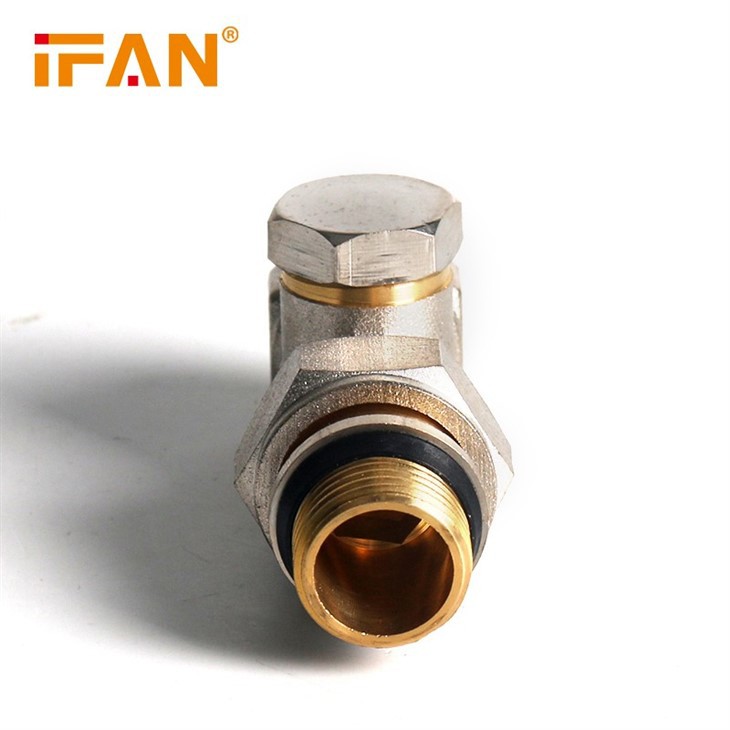

Wholesale Brass Radiator Valves
Brand: IFAN
Connecting method:Thread
Applications:Potable Water Systems
Color:Silver
Send Inquiry
Product Details ofWholesale Brass Radiator Valves
Introduction to Anti-Leak Brass Ball Valves
Anti-leak brass ball valves are a crucial component in plumbing and industrial systems, designed to prevent leaks and ensure a secure flow of liquids and gases. These valves are engineered to provide long-lasting performance, combining the durability of brass with innovative anti-leak features. In this article, we will explore the key characteristics that make anti-leak brass ball valves an essential choice for various applications.

| Product Name | Raditor Valve |
| Color | Sliver Color |
| Size | 1/2" 3/4" |
| Brand | IFAN or Customized |
| OEM |
Support |
| Sample | Free |
| Experience | 30+Years |
| Contact Us | Click HERE to contact us now! |
Welcome to contact IFAN, we are online 24 hours a day to answer your questions!
The Impact of Radiator Valves on System Pressure Drop
1. Understanding Pressure Drop in Heating Systems
Pressure drop is a critical factor in the performance of heating systems, particularly those utilizing radiator valves. It refers to the reduction in pressure that occurs as fluid moves through the system, encountering resistance from various components, including valves, fittings, and piping. In an efficient heating system, maintaining an optimal pressure level is crucial for ensuring effective heat distribution and minimizing energy consumption. Excessive pressure drop can lead to inadequate heating, increased operational costs, and potential damage to the system. Therefore, understanding how radiator valves contribute to pressure drop is essential for optimizing system design and performance.
2. The Role of Radiator Valves in Pressure Regulation
Radiator valves play a significant role in regulating pressure within heating systems. They control the flow of hot water or steam to radiators, allowing for precise temperature control in individual rooms or zones. However, each valve introduces a certain level of resistance, which contributes to the overall pressure drop. The design and size of the valve significantly influence how much resistance it provides. For example, a poorly sized valve can lead to a more substantial pressure drop, resulting in uneven heat distribution and decreased system efficiency. Therefore, selecting the right type and size of radiator valve is critical to minimize pressure loss while maintaining effective heating.
3. Types of Radiator Valves and Their Impact on Pressure Drop
Different types of radiator valves exhibit varying impacts on pressure drop. Manual valves, for instance, require manual adjustment and can lead to inconsistent pressure control if not regularly monitored. On the other hand, thermostatic radiator valves (TRVs) automatically adjust flow rates based on room temperature, providing better control and often resulting in lower pressure drops. Electronic valves can offer even more precise control, enabling systems to respond dynamically to changing conditions. Understanding the differences between these valve types allows engineers and facility managers to choose the most suitable options for their heating systems, thereby optimizing performance and minimizing pressure-related issues.
4. Design Considerations to Minimize Pressure Drop
To effectively manage pressure drop, several design considerations should be taken into account when integrating radiator valves into heating systems. First, proper sizing of the valves and associated piping is essential; undersized valves can create significant resistance, while oversized valves may lead to poor flow control. Additionally, minimizing the number of bends and fittings in the piping layout can help reduce friction losses and pressure drop. Implementing a well-designed layout that considers the entire system's hydraulic dynamics can enhance overall performance. Regular system assessments and recalibrations also help in identifying potential issues that may contribute to pressure loss, ensuring long-term efficiency.
5. The Importance of Maintenance in Pressure Management
Regular maintenance of radiator valves is crucial for managing pressure drop effectively. Over time, debris, mineral buildup, or mechanical wear can impair valve function, leading to increased resistance and pressure loss. Implementing a routine maintenance schedule that includes inspections, cleaning, and timely repairs can help mitigate these issues. Maintenance personnel should be trained to recognize signs of valve malfunction and understand how these issues can impact system pressure. By prioritizing maintenance, facility managers can ensure that radiator valves function optimally, thus maintaining the desired pressure levels in the heating system. This proactive approach not only enhances efficiency but also contributes to the overall longevity and reliability of the system.


Hot Tags: wholesale brass radiator valves, China wholesale brass radiator valves manufacturers, suppliers, factory, CPVC Female Socket, CPVC Reducer Socket, PVC End Cap, PVC Male Tee, PVC Male Socket, PPR Pipe Socket
Send Inquiry
