


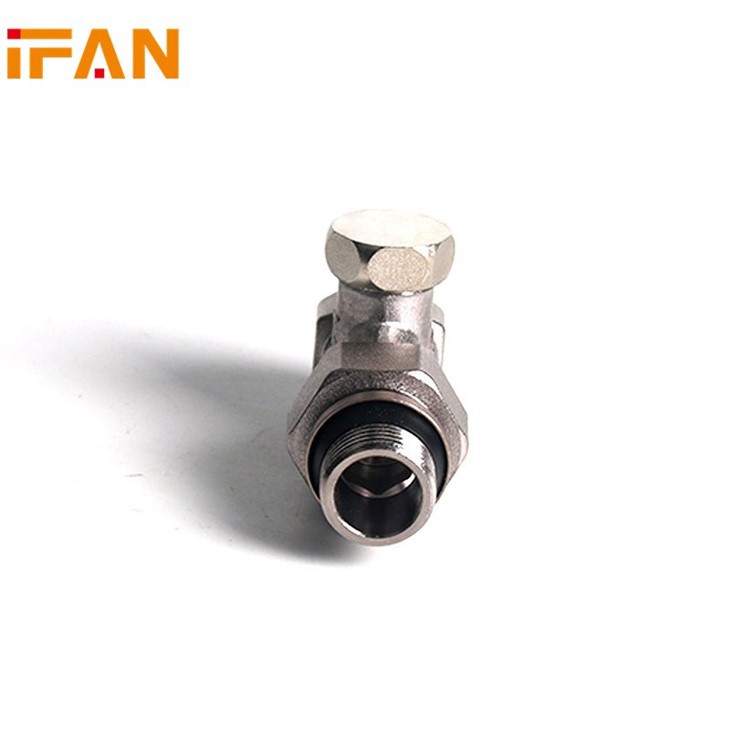
Anti-Corrosion Brass Radiator Valves
Brand: IFAN
Connecting method:Thread
Applications:Potable Water Systems
Color:Silver
Send Inquiry
Product Details ofAnti-Corrosion Brass Radiator Valves
Introduction to Anti-Leak Brass Ball Valves
Anti-leak brass ball valves are a crucial component in plumbing and industrial systems, designed to prevent leaks and ensure a secure flow of liquids and gases. These valves are engineered to provide long-lasting performance, combining the durability of brass with innovative anti-leak features. In this article, we will explore the key characteristics that make anti-leak brass ball valves an essential choice for various applications.

| Product Name | Raditor Valve |
| Color | Sliver Color |
| Size | 1/2" 3/4" |
| Brand | IFAN or Customized |
| OEM |
Support |
| Sample | Free |
| Experience | 30+Years |
| Contact Us | Click HERE to contact us now! |
Welcome to contact IFAN, we are online 24 hours a day to answer your questions!
How to Ensure the Stability of Radiator Valves
Ensuring the stability of radiator valves is essential for maintaining an efficient heating system. A stable valve contributes to consistent temperature control, reduces the risk of leaks, and enhances the overall performance of the heating system. This article explores key strategies and best practices for ensuring the stability of radiator valves, focusing on installation, maintenance, and monitoring.
1. Proper Installation Techniques
The first step in ensuring the stability of radiator valves is to follow proper installation techniques. Begin by carefully reading the manufacturer's guidelines to understand the specific requirements for the valve model you are using. When connecting the valve to the radiator and the pipework, apply Teflon tape to the threaded connections to enhance sealing and prevent leaks. It's important to ensure that the valve is aligned correctly and not cross-threaded, as misalignment can lead to stress on the valve, affecting its long-term stability. Use an adjustable wrench to secure the connections, but avoid overtightening, which can damage the threads. Proper installation lays the foundation for stable and efficient valve operation.
2. Material Quality and Compatibility
Using high-quality materials is crucial for ensuring the stability of radiator valves. Valves made from durable materials, such as brass or stainless steel, are less likely to corrode and can withstand the pressures of a heating system. When selecting radiator valves, ensure they are compatible with your heating system's specifications, including pressure ratings and fluid types. Mismatched materials or poorly manufactured valves can lead to instability, leaks, and premature failure. Additionally, consider the compatibility of the valves with the piping materials used in your system. Using consistent materials throughout the system helps to prevent issues arising from differing thermal expansion rates and corrosion.
3. Regular Maintenance Practices
Regular maintenance is vital for preserving the stability of radiator valves over time. Schedule periodic inspections to check for signs of wear, corrosion, or leaks. Pay special attention to the valve connections and ensure that they remain tight and secure. Bleeding the radiators regularly helps remove air trapped in the system, which can affect pressure and valve operation. Cleaning the valves and surrounding areas prevents the buildup of dirt and debris that could obstruct their functionality. A proactive maintenance routine not only enhances the stability of the valves but also extends the lifespan of the entire heating system, reducing the need for costly repairs or replacements.
4. Monitoring System Pressure
Monitoring the pressure within the heating system is crucial for ensuring the stability of radiator valves. Each heating system has a recommended operating pressure range, and exceeding this can lead to valve failure and leaks. Use a pressure gauge to keep track of the system pressure, ensuring it remains within the specified limits. If you notice fluctuations or consistently high pressures, it may indicate a problem with the system, such as a malfunctioning expansion tank or a faulty pump. Addressing pressure issues promptly helps maintain stability in the valve operation and prevents long-term damage to the heating system.
5. Addressing Issues Promptly
Lastly, addressing any issues that arise promptly is essential for ensuring the stability of radiator valves. If you detect leaks, unusual noises, or fluctuations in temperature, investigate these problems immediately. Ignoring minor issues can lead to more significant problems down the line, including complete valve failure or extensive water damage. In cases where DIY solutions do not resolve the issue, don't hesitate to consult with a professional. A qualified technician can provide valuable insights and perform repairs or adjustments that may be beyond the scope of regular maintenance. By remaining vigilant and responsive to potential issues, you can ensure the long-term stability and efficiency of your radiator valves.


Hot Tags: Anti-Corrosion Brass Radiator Valves, China Anti-Corrosion Brass Radiator Valves manufacturers, suppliers, factory
Send Inquiry
