
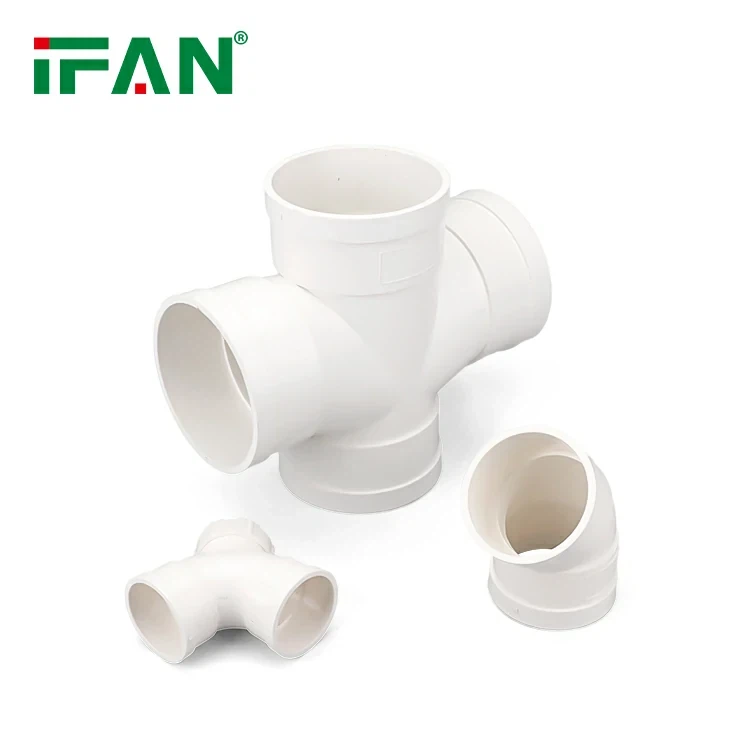

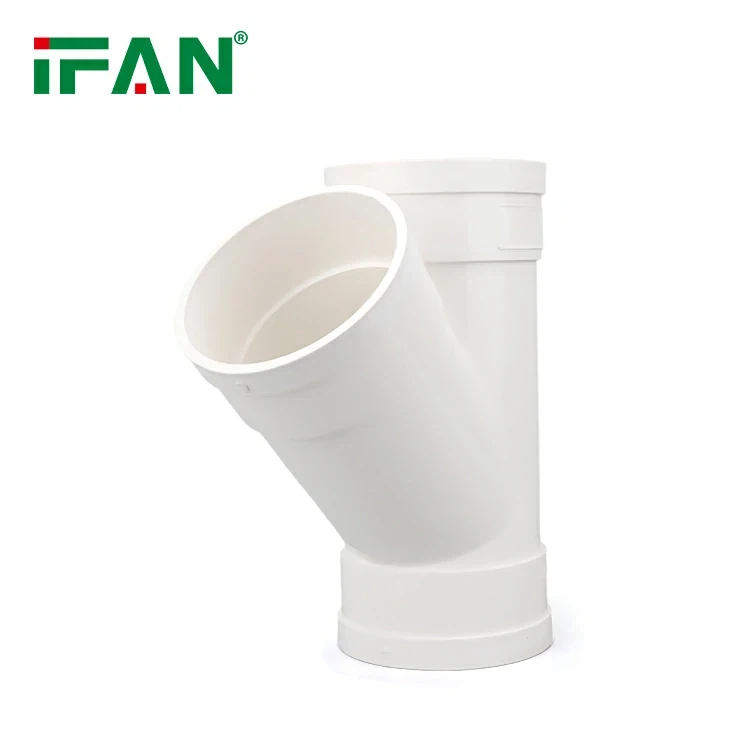


Smooth Flow UPVC Drainage Fitting
Introduction
UPVC drainage fittings are vital in modern plumbing systems. These fittings ensure water and waste move efficiently through pipes. They provide a smooth, secure connection between drainage lines. Their design prevents leaks and blockages, improving overall flow. UPVC is durable, lightweight, and resistant to chemicals and corrosion. This makes it a popular choice in residential and commercial drainage applications.

|
Product Name |
UPVC Drainage Pipe Fitting |
|
Standard |
GB |
|
Color |
White |
|
Size |
50-110mm |
|
Brand |
IFAN or Customized |
|
OEM |
Support |
|
Sample |
|
|
Experience |
30+Years |
|
Contact Us |
Welcome to contact IFAN, we are online 24 hours a day to answer your questions!
What Is UPVC?
UPVC stands for unplasticized polyvinyl chloride. It is a hard, rigid plastic used in plumbing and construction. Unlike regular PVC, UPVC contains no plasticizers. This gives it extra strength and long-term stability. It resists weather, chemicals, and physical damage. UPVC is often used in windows, pipes, and drainage fittings. Its smooth inner surface improves flow and reduces the chance of clogs.
How UPVC Drainage Fittings Work
UPVC fittings connect pipes in a drainage system. They come in many forms, like elbows, tees, reducers, and couplers. Each fitting allows a smooth directional change or pipe size adjustment. These fittings maintain tight seals and alignments between pipes. They prevent leaks and keep wastewater moving efficiently. Their design reduces turbulence and encourages smooth flow inside the system.
Benefits of Using UPVC Drainage Fittings
UPVC fittings are corrosion-resistant and have a long lifespan. They don't rust or degrade like metal. They're resistant to most acids, salts, and alkalis found in wastewater. They are also lightweight, making them easy to handle and install. Fewer joints and smooth surfaces mean less chance of clogs. These features reduce long-term maintenance needs and costs.
Smooth Flow and Hydraulic Efficiency
The inner surface of UPVC fittings is very smooth. This smoothness reduces friction and helps water flow faster. Less friction means fewer clogs and blockages. It also reduces pressure loss in the system. Fittings are designed to guide water smoothly through bends and transitions. This improves the hydraulic performance of the entire system.
Leak Prevention and Tight Sealing
UPVC drainage fittings use rubber gaskets or solvent welds to form tight seals. These seals prevent leaks, even under pressure. When installed correctly, the joints are strong and watertight. This ensures consistent flow and reduces water damage risk. Leak-free performance is critical for long-term system reliability. That's why UPVC is trusted in critical drainage networks.
Applications in Residential and Commercial Projects
UPVC fittings are used in homes, offices, and industrial buildings. They handle wastewater, rainwater, and underground drainage. In homes, they're often used in kitchens, bathrooms, and basements. In larger buildings, they manage higher flow volumes efficiently. Their versatility makes them suitable for a wide range of construction projects.
Ease of Installation
UPVC fittings are easy to cut, join, and align. They require no welding or heavy tools. Solvent cement or rubber-ring joints are commonly used. These techniques are quick and simple. This reduces labor time and costs. Lightweight materials make transport and handling easier. Even large installations can be done faster with UPVC.
Durability and Long-Term Use
UPVC fittings are known for their long service life. They resist wear, chemical attack, and weather effects. Unlike metal pipes, they don't corrode or scale inside. This keeps the internal flow area clear. Many UPVC systems can last over long-term durability according to standards with minimal maintenance. This makes them a cost-effective long-term solution.
Environmentally Friendly Option
UPVC is recyclable and non-toxic. It doesn't leach harmful chemicals into the soil or water. Its long lifespan means fewer replacements and waste. Manufacturing UPVC requires less energy than some metals. These properties make UPVC a more sustainable option. Green builders often choose UPVC for eco-friendly drainage solutions.
Standards and Quality Assurance
High-quality UPVC fittings comply with international standards. These include ISO, ASTM, and EN specifications. Certified products ensure durability and safety. Manufacturers test products for pressure, impact, and chemical resistance. Using certified UPVC fittings ensures reliable performance and code compliance. Always choose fittings from reputable suppliers for best results.
Common Types of UPVC Drainage Fittings
There are many types of UPVC fittings available. Bends allow directional changes. Tees connect three pipes together. Reducers adjust different pipe sizes. Traps block sewer gases from entering buildings. Couplers join straight pipe sections. Each fitting has a specific role. Choosing the right one ensures smooth operation and easy maintenance.
Installation Guidelines for Optimal Flow
Proper installation is key to smooth flow. Pipes should be cut straight and cleaned before joining. Use correct solvent or gaskets for sealing. Align fittings carefully to avoid stress points. Support pipes well to prevent sagging. Always follow the manufacturer's instructions and local codes. Poor installation can lead to leaks or clogs.
Troubleshooting Common Issues
Improper connections or blockages can affect system flow. Inspect for misaligned fittings or loose joints. Check for debris inside pipes. Use a drain camera to identify internal clogs. If leaks occur, reseal or replace the affected fitting. Regular inspection and cleaning help prevent major issues. Routine maintenance extends system life.
Cost Considerations
UPVC fittings offer excellent value for money. Initial costs are lower than metal alternatives. Reduced labor and maintenance save more over time. Long lifespan means fewer replacements. These cost savings make UPVC attractive for budget-conscious projects. Bulk purchasing can further reduce costs for large developments.
Technological Improvements in UPVC Fittings
Modern UPVC fittings have improved sealing systems and flow design. Some include integrated gaskets or push-fit features. New production methods improve strength and consistency. Enhanced materials resist UV light and higher temperatures. These advances increase system performance and user satisfaction. Expect continued innovation in the coming years.
Future Trends in Drainage Systems
The future of drainage will favor sustainable and smart systems. UPVC will continue to play a leading role. Demand for low-maintenance, long-lasting systems is growing. Designers will focus on water efficiency and ease of monitoring. Smart sensors may be integrated into fittings for real-time flow tracking. These trends support more efficient infrastructure.
Conclusion
UPVC drainage fittings ensure a smooth, efficient flow of water and waste. They are durable, lightweight, and easy to install. Their smooth inner surfaces prevent clogs and pressure loss. Tight seals reduce leaks and maintenance needs. UPVC is cost-effective and eco-friendly. It meets the demands of modern construction and infrastructure. With proper use and installation, UPVC systems provide reliable performance for decades.


Hot Tags: smooth flow upvc drainage fitting, China smooth flow upvc drainage fitting manufacturers, suppliers, factory, PVC 90 Degree Elbow, PVC End Cap, PVC Female Socket, PVC Female Threaded Tee, PVC Male Elbow, PVC Union Fitting
Send Inquiry
