


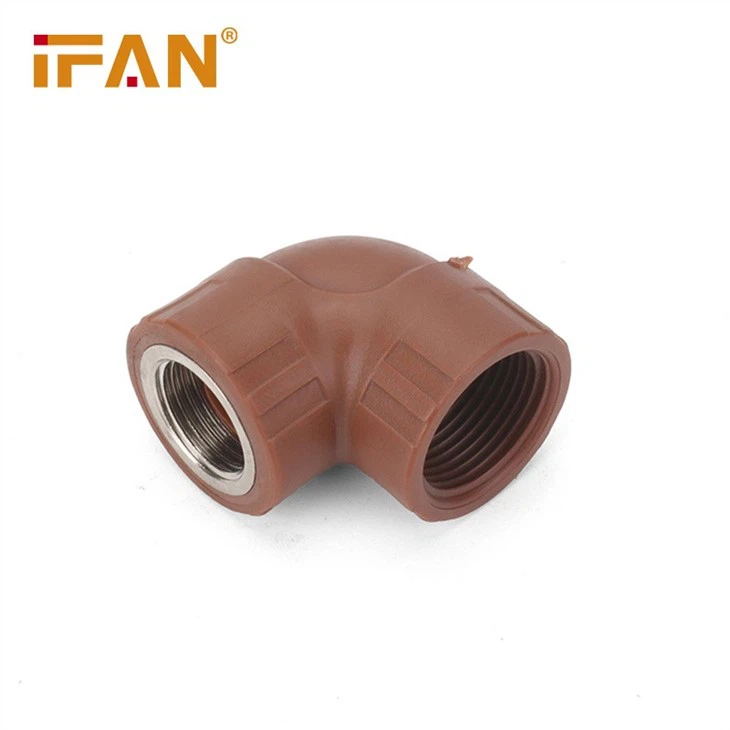
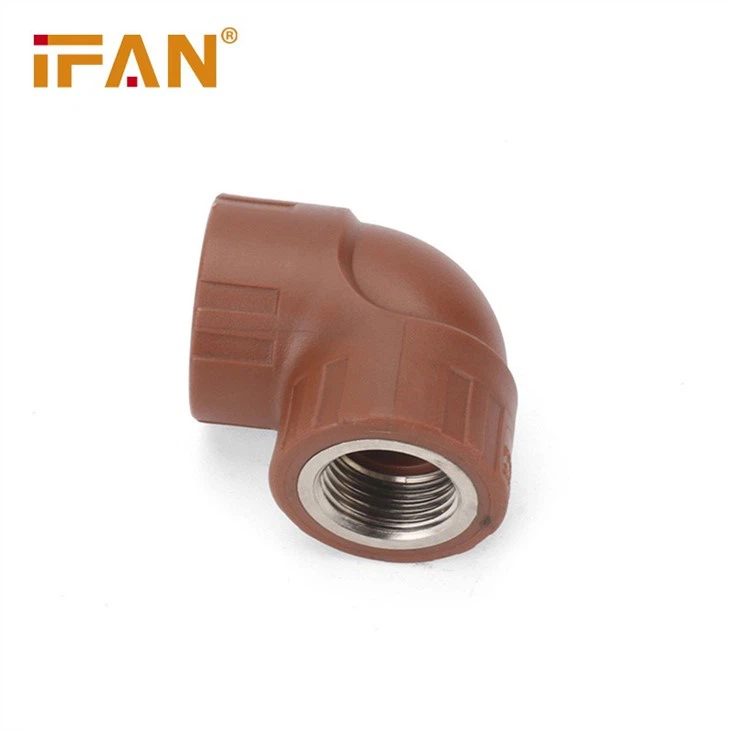

Good Price PPH Plumning Fittings
Brand: IFAN
Connecting method: Thread
Applications: Cold & Hot Water
Color: Red
Send Inquiry
Product Details ofGood Price PPH Plumning Fittings
Introduct:
PPH (Polypropylene Homopolymer) fittings are durable plastic components used in various piping systems, particularly for transporting water, chemicals, and gases. Known for their lightweight nature and resistance to corrosion, PPH fittings are ideal for applications in industries like chemical processing, agriculture, and construction. They can withstand high temperatures and pressures, making them suitable for both hot and cold fluid transfer. PPH fittings are also easy to install and connect with various piping systems, providing a reliable and cost-effective solution for fluid management in diverse environments. Their long lifespan contributes to reduced maintenance costs.

| Product Name | PPH Pipe Fitting |
| Standard | EN ISO 15494,DIN 8077/8078,ASTM F2389,GB/T 19472 |
| Color | Red Brown or Customized |
| Size | 1/2-2" |
| Connection | Male/Female Thread |
| Sample | Free |
| Experience | 30+Years |
| Contact Us | Click HERE to contact us now! |

Welding Processes and Chemical Compatibility of PPH Fittings
PPH (Polypropylene Homopolymer) fittings are widely utilized in various industries due to their excellent chemical resistance and mechanical properties. A critical aspect of working with these fittings is understanding their welding processes and how these processes relate to their chemical compatibility. This article explores the different welding techniques for PPH fittings, their impact on chemical resistance, and best practices for ensuring strong, reliable joints.
Overview of Welding Techniques for PPH Fittings
Welding is a crucial method for joining PPH fittings in applications requiring secure and leak-proof connections. The most commonly used welding techniques for PPH include butt welding, socket welding, and electrofusion. Butt welding involves aligning two fitting ends and applying heat until they reach a molten state before pressing them together to form a bond. Socket welding, on the other hand, requires inserting the fitting into a socket and heating both surfaces until they melt and fuse together. Electrofusion uses an electrically heated coil to melt the inner surface of the fitting, creating a bond when cooled. Each of these methods has its specific applications and advantages, depending on the intended use and installation environment.
Chemical Compatibility and Welding Considerations
Chemical compatibility is a crucial factor to consider when welding PPH fittings. While PPH is known for its resistance to a wide range of chemicals, the welding process can impact this resistance. When the polymer is heated during welding, it can undergo slight changes in its chemical structure, potentially affecting its performance in aggressive chemical environments. For example, if fittings are welded at too high a temperature or for too long, it could lead to degradation or a reduction in chemical resistance. Thus, it's essential to adhere to manufacturer guidelines regarding temperature and welding time to ensure the integrity of the fittings and their resistance to chemicals post-welding.
Impact of Welding on Mechanical Properties
Welding not only affects the chemical compatibility of PPH fittings but also their mechanical properties. The area where the fittings are joined can experience changes in tensile strength, impact resistance, and flexibility due to the heating process. Ideally, the welded joint should have mechanical properties similar to those of the original material. However, improper welding techniques or parameters can lead to weaknesses, such as voids or incomplete bonds, which may compromise the joint's integrity. Conducting tensile strength tests on welded joints is vital to verify that they meet industry standards and specifications, ensuring that the fittings will perform reliably under operational stresses.
Best Practices for Welding PPH Fittings
To achieve optimal results when welding PPH fittings, several best practices should be followed. First, it is crucial to ensure that all surfaces to be welded are clean and free from contaminants, such as dust, grease, or moisture, as these can affect the quality of the weld. Second, adhering to recommended welding temperatures and times specific to PPH is essential for maintaining chemical resistance. Using proper equipment, including calibrated welding machines and appropriate fixtures, will help maintain alignment and pressure during the welding process. Finally, conducting thorough inspections and mechanical testing of the welded joints will provide assurance that the fittings are secure and capable of withstanding their intended service conditions.


Hot Tags: good price pph plumning fittings, China good price pph plumning fittings manufacturers, suppliers, factory, PPH Nipple, PPH Female Tee, PPH Tank Connector, PPH Female and Male Socket, PPH Union, PPH Male Threaded Plug
Previous
No InformationSend Inquiry
