


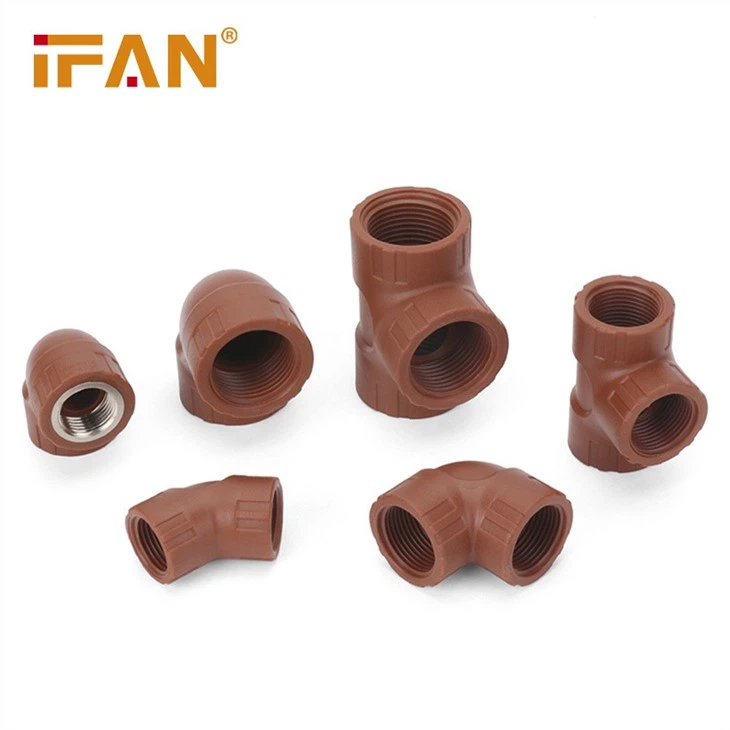
Environment-Friendly PPH Pipe Fittings
Brand: IFAN
Connecting method: Thread
Applications: Cold & Hot Water
Color: Red
Send Inquiry
Product Details ofEnvironment-Friendly PPH Pipe Fittings
Introduct:
PPH (Polypropylene Homopolymer) fittings are durable plastic components used in various piping systems, particularly for transporting water, chemicals, and gases. Known for their lightweight nature and resistance to corrosion, PPH fittings are ideal for applications in industries like chemical processing, agriculture, and construction. They can withstand high temperatures and pressures, making them suitable for both hot and cold fluid transfer. PPH fittings are also easy to install and connect with various piping systems, providing a reliable and cost-effective solution for fluid management in diverse environments. Their long lifespan contributes to reduced maintenance costs.

| Product Name | PPH Pipe Fitting |
| Standard | EN ISO 15494,DIN 8077/8078,ASTM F2389,GB/T 19472 |
| Color | Red Brown or Customized |
| Size | 1/2-2" |
| Connection | Male/Female Thread |
| Sample | Free |
| Experience | 30+Years |
| Contact Us | Click HERE to contact us now! |

Testing the Acid and Alkali Resistance of PPH Fittings
PPH (Polypropylene Homopolymer) fittings are widely recognized for their excellent chemical resistance, particularly in acidic and alkaline environments. This property makes them suitable for various industrial applications, including chemical processing, water treatment, and waste management. Testing the acid and alkali resistance of PPH fittings is essential to ensure their performance and durability. This article explores the methods for assessing this resistance, the factors affecting performance, and the implications for practical applications.
Importance of Acid and Alkali Resistance Testing
Understanding the acid and alkali resistance of PPH fittings is critical for industries that handle corrosive substances. This testing helps to evaluate the material's ability to maintain structural integrity and functionality when exposed to extreme pH levels. As PPH is used in applications such as chemical storage and transport, ensuring that it can withstand both acidic and alkaline conditions is vital for preventing failures, leaks, and costly downtime. Comprehensive testing also provides manufacturers and end-users with confidence in the material's longevity and reliability, which is essential for compliance with safety and industry regulations.
Testing Methods for Acid and Alkali Resistance
The testing of PPH fittings for acid and alkali resistance typically involves immersion tests, where the fittings are exposed to various acidic and alkaline solutions under controlled conditions. Standardized testing methods, such as ASTM D543, outline the procedures for evaluating chemical resistance. These tests involve immersing PPH samples in specified solutions for defined periods and then assessing changes in properties like weight, tensile strength, and appearance. By comparing the performance of PPH in different chemical environments, manufacturers can determine its suitability for specific applications and environments.
Factors Influencing Chemical Resistance
Several factors can influence the acid and alkali resistance of PPH fittings. The concentration of the chemical solution, temperature, and exposure time are crucial variables. Higher concentrations of acids or bases typically lead to more significant degradation of the material. Additionally, elevated temperatures can accelerate chemical reactions, further affecting the performance of PPH. The presence of additives or fillers in the PPH formulation can also impact resistance; some materials may enhance chemical stability while others could weaken it. Understanding these factors allows manufacturers to optimize their formulations for enhanced performance in specific environments.
Implications for Industrial Applications
The results of acid and alkali resistance testing have significant implications for the selection and use of PPH fittings in industrial applications. Fittings that exhibit excellent resistance to corrosive environments can be confidently used in various settings, including chemical plants, waste treatment facilities, and laboratories. The ability to withstand harsh conditions minimizes the risk of leaks and failures, leading to safer operations and reduced maintenance costs. Moreover, knowing the chemical resistance of PPH fittings allows engineers to design systems that effectively manage and contain corrosive materials, ensuring compliance with environmental regulations.


Hot Tags: environment-friendly pph pipe fittings, China environment-friendly pph pipe fittings manufacturers, suppliers, factory, Male Elbow Compression Fitting, PPR Male Threaded Union, CPVC Elbow Fittings, PPH Socket Fitting, PPH Male Threaded Plug, PPR Male Threaded Elbow
Previous
No InformationSend Inquiry
