


Good Quality ASTM F2623 Pex Heating Floor Pipe
Brand: IFAN/OEM
Applications:Potable Water Systems/Radiant Heating Systems/Hydronic Heating Systems/HVAC Systems/Geothermal Systems
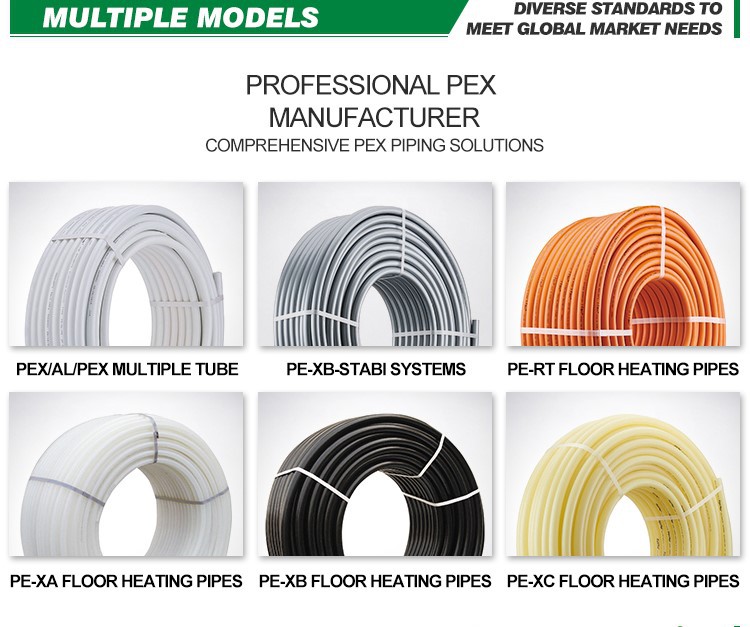
Color:White,Bule,Yellow,Orange,Grey,Red,Purple Or Customized
Send Inquiry
Product Details ofGood Quality ASTM F2623 Pex Heating Floor Pipe
Introduction:
PEX is a flexible plastic pipe that can be laid over long distances without many connections, which reduces the likelihood of leaks. The flexibility and expandability of the plastic pipe prevents cracking due to freezing temperatures.

| Product Name | IFAN PEX Pipe |
| Standard | ASTM F2623,BS EN ISO 22391,DIN 16833,GBT28799,ISO 22391 |
| Size | 16-32mm |
| Color | White,Bule,Yellow,Orange,Grey,Red,Purple Or Customized |
| Connection | Compression/Press/Sliding Fittings |
| Length | 100-500M per roll |
| Sample | Sample Free |
| Contact | Click HERE to contact us now! |
Welcome to contact IFAN, we are online 24 hours a day to answer your questions!
1. Introduction to PEX Fittings Lifecycle and Environmental Impact
PEX (cross-linked polyethylene) fittings are popular for their durability and versatility in plumbing applications. However, assessing their environmental impact throughout their lifecycle is essential for understanding their overall sustainability. The lifecycle of PEX fittings includes several stages: raw material extraction, manufacturing, transportation, use, and end-of-life disposal. Each stage contributes differently to the overall environmental footprint. By examining these stages, we can better understand the environmental implications of PEX fittings and explore ways to enhance their sustainability.
2. Raw Material Extraction and Manufacturing Impact
The environmental impact of PEX fittings begins with the extraction of raw materials and the manufacturing process. Polyethylene, the base material for PEX, is derived from petrochemical sources. The extraction and processing of these fossil fuels contribute to greenhouse gas emissions and environmental degradation. The manufacturing process for PEX fittings involves cross-linking polyethylene, which requires energy and can produce emissions. However, advancements in manufacturing technologies aim to reduce energy consumption and emissions. Efforts to use more sustainable energy sources and improve efficiency are critical for minimizing the environmental impact of PEX production.
3. Transportation and Distribution Considerations
Transportation of PEX fittings from manufacturing facilities to end-users also affects their environmental footprint. The energy used in transportation, whether by truck, ship, or rail, contributes to carbon emissions. The lightweight nature of PEX fittings offers an advantage in reducing transportation energy compared to heavier materials like metal pipes. Additionally, efficient logistics and optimized transportation routes can further decrease the carbon footprint. Innovations in packaging and distribution practices are being explored to minimize environmental impact, including reducing packaging waste and utilizing fuel-efficient transportation methods.
4. Use Phase and Resource Efficiency
During their use phase, PEX fittings are valued for their longevity, resistance to corrosion, and low maintenance requirements. These attributes contribute to resource efficiency by reducing the need for frequent replacements and repairs. The durability of PEX fittings minimizes the consumption of resources over time and supports long-term sustainability. Additionally, PEX's energy efficiency in maintaining water temperature and its resistance to scaling and corrosion further enhance its environmental benefits. The extended lifespan of PEX fittings helps reduce the overall environmental impact associated with plumbing systems.
5. End-of-Life Management and Recycling
The end-of-life stage for PEX fittings involves disposal or recycling, which significantly impacts their overall environmental footprint. PEX fittings are not biodegradable, so their disposal in landfills can lead to long-term environmental concerns. However, recycling options for PEX are available, although they require specialized facilities due to the cross-linked nature of the material. Efforts are ongoing to improve PEX recycling technologies and increase the availability of recycling programs. By advancing these technologies and implementing effective recycling systems, the environmental impact of PEX fittings can be reduced, contributing to a more sustainable lifecycle.
6. Summary and Future Outlook
In summary, the lifecycle environmental impact of PEX fittings encompasses various stages, from raw material extraction to end-of-life disposal. While challenges exist, such as the energy-intensive manufacturing process and the need for better recycling infrastructure, PEX fittings offer advantages like durability and resource efficiency that contribute positively to their overall environmental profile. Continued advancements in manufacturing practices, transportation efficiency, and recycling technologies are crucial for enhancing the sustainability of PEX fittings. By addressing these areas, the industry can work towards minimizing the environmental footprint of PEX fittings and supporting a more sustainable futur


Hot Tags: Good Quality ASTM F2623 Pex Heating Floor Pipe, China Good Quality ASTM F2623 Pex Heating Floor Pipe manufacturers, suppliers, factory
Send Inquiry
