


Brass Thread Fittings Withstand High Water Pressure
Introduction to Brass Thread Fittings
Brass thread fittings are widely used in plumbing systems for their strength and durability. These fittings are essential in both residential and industrial applications. Brass, an alloy of copper and zinc, is known for its excellent corrosion resistance. Threaded fittings are designed to securely join pipes and equipment without welding or soldering. They are commonly used in water supply systems where high pressure is present. The threads provide a tight mechanical seal, reducing the risk of leaks. Their ease of installation and long service life make them a preferred choice. Brass thread fittings remain reliable even under extreme water pressure, making them ideal for demanding environments.

| Product Name | IFAN Brass Thread Fittings |
| Size | 1/2"-2" Or Customized |
| Color |
Yellow/White Or Customized |
| Package | IFAN standard packaging |
| Features | Durable |
| Sample | Sample Free |
| Contact | Click HERE to contact us now! |
Welcome to contact IFAN, we are online 24 hours a day to answer your questions!
The Strength of Brass in Pressurized Systems
Brass has a high tensile strength and resists cracking under pressure. This makes it suitable for high-stress water systems. It does not warp or deform easily, even when exposed to continuous force. Its strength comes from the unique balance between copper and zinc. Unlike plastic or lower-grade metals, brass maintains its shape and sealing integrity. This ensures consistent performance over many years. The material also handles thermal expansion without damage. Brass is strong enough to manage fluctuations in pressure that occur in daily water use. It provides both safety and performance in high-pressure conditions.
Corrosion Resistance and Longevity
One of brass's most important features is its corrosion resistance. Water systems, especially those carrying treated or hard water, can be corrosive. Brass forms a natural oxide layer that protects it from rust and wear. This layer prevents degradation from water, chemicals, and oxygen. Compared to iron or steel, brass fittings last longer and maintain better performance. They resist the formation of scale and buildup that can reduce water flow. Because of its durability, brass requires less maintenance and fewer replacements. This lowers long-term costs and reduces system downtime. Brass fittings are ideal for both hot and cold water applications due to their stability.
Threaded Fitting Design for Pressure Sealing
Brass thread fittings use tapered threads to create a strong, leak-proof seal. The threads tighten as they are screwed together. This compresses the metal and creates a secure connection under pressure. Pipe thread standards like NPT (National Pipe Thread) ensure compatibility and reliable sealing. When installed with thread sealant or Teflon tape, these fittings offer additional protection against leaks. The threaded design allows for easy disassembly, inspection, and repair. Unlike welded or glued joints, threaded connections can be reused multiple times. This flexibility is especially valuable in maintenance-heavy systems. The fitting's strength and design help resist sudden spikes in water pressure.
Applications in Residential and Commercial Plumbing
Brass thread fittings are common in household plumbing systems. They are used in faucets, showers, water heaters, and irrigation systems. In commercial buildings, they are found in boilers, cooling systems, and fire suppression lines. High-pressure water delivery in multi-story buildings depends on secure fittings. Brass provides the performance needed for these systems. Its versatility allows it to connect with copper, PEX, and other pipe materials. Fittings like elbows, tees, couplings, and adapters are available in many sizes. This makes it easier to build or upgrade complex systems. Their strength and reliability make them suitable for both new construction and retrofits.
Temperature Resistance Enhances Durability
Brass can handle high temperatures without losing its structural integrity. This makes it suitable for both hot and cold water lines. When systems use heated water, fittings must resist expansion and contraction. Brass performs well under these conditions, reducing the risk of leaks. It is commonly used in solar water heaters and industrial boilers where temperature control is critical. Unlike plastic fittings, brass does not soften or warp at high temperatures. Its ability to withstand heat and pressure makes it a dependable choice. Consistent performance under changing temperatures adds to the material's long service life.
Ease of Installation and Maintenance
Brass thread fittings are easy to install with standard tools. No specialized equipment or skills are needed for basic assembly. Thread sealants and tapes enhance sealing and prevent loosening over time. Properly installed fittings provide a strong and leak-free joint. Maintenance is also simple. Fittings can be removed, inspected, and reattached as needed. If a fitting wears out, it can be replaced without cutting pipes. This saves time and labor. Their simple design allows quick identification of problems. Routine inspection and maintenance help extend the system's lifespan. These advantages make brass fittings practical and efficient.
Compatibility With Other Plumbing Materials
Brass thread fittings connect well with many piping materials. They are often used with copper, PEX, and even CPVC systems. Transition fittings allow brass to connect with steel or plastic pipes safely. To avoid galvanic corrosion, dielectric unions are used between dissimilar metals. These unions prevent electrochemical reactions that can damage fittings. Brass's compatibility helps in system upgrades and repairs. It supports mixed-material plumbing installations without reducing performance. Installers should follow recommended practices for joining different materials. Doing so ensures long-term reliability and prevents chemical damage. Brass's ability to integrate with modern plumbing systems adds to its value.
Pressure Ratings and System Design Considerations
Brass fittings come in various pressure ratings to match system requirements. Most residential fittings are rated for up to 200 PSI. Industrial-grade brass fittings can handle even higher pressures. The rating depends on fitting size, wall thickness, and design. Choosing the correct fitting ensures system safety and performance. Pressure loss due to fitting design is also minimal in brass systems. Engineers must consider water flow, pressure changes, and temperature in system planning. Using fittings within their rated limits ensures no deformation or failure. Always check manufacturer specifications before installation. This guarantees proper use in high-pressure conditions.
Environmental and Safety Compliance
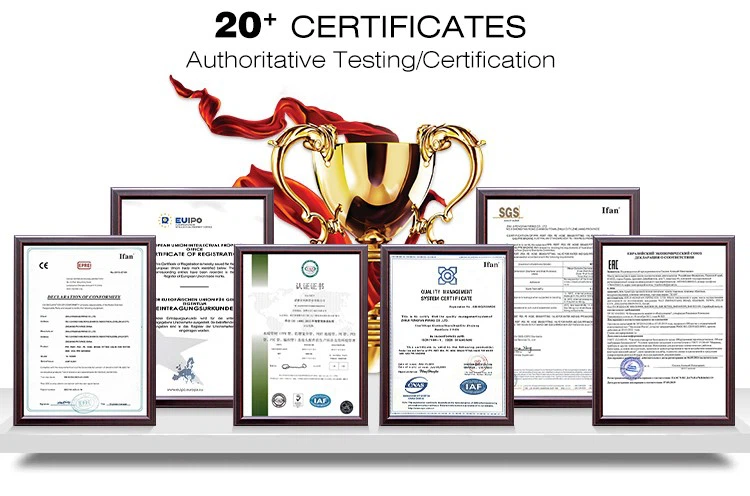
Modern brass fittings meet environmental and health safety standards. Lead-free brass is now required in drinking water systems in many regions. These fittings meet regulations such as NSF/ANSI 61 and U.S. Safe Drinking Water Act. Brass is also a recyclable material, supporting eco-friendly construction practices. Recycled brass retains its original strength and properties. This helps reduce resource waste and environmental impact. Using certified brass fittings ensures water safety for users. They are also fire-resistant, making them safer in high-temperature environments. Brass fittings combine safety, durability, and environmental responsibility.



Hot Tags: brass thread fittings withstand high water pressure, China brass thread fittings withstand high water pressure manufacturers, suppliers, factory
Send Inquiry
