
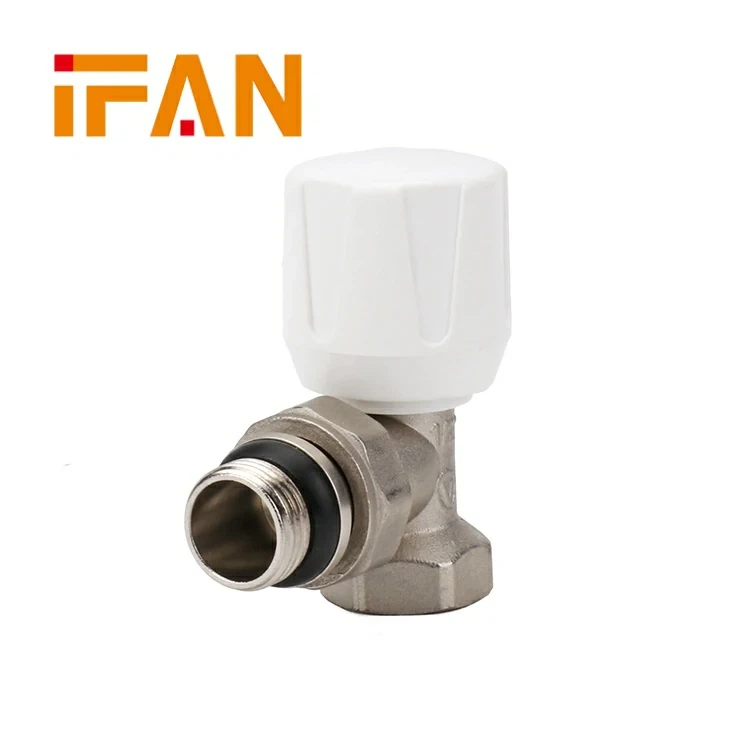
Maintaining Your Brass Radiator Valves
Brand: IFAN
Connecting method:Thread
Applications:Potable Water Systems
Color:Silver
Send Inquiry
Product Details ofMaintaining Your Brass Radiator Valves
Common Problems with Brass Radiator Valves and How to Fix Them
Brass radiator valves are a popular choice for regulating the flow of hot water or steam through heating systems. While durable and reliable, these valves can experience problems over time due to wear and tear, corrosion, or improper maintenance. Understanding the common issues associated with brass radiator valves and how to fix them can help homeowners maintain an efficient heating system and avoid costly repairs. Below are some of the most frequent problems and their solutions.

| Product Name | Raditor Valve |
| Color | Sliver Color |
| Size | 1/2" 3/4" |
| Brand | IFAN or Customized |
| OEM |
Support |
| Sample | Free |
| Experience | 30+Years |
| Contact Us | Click HERE to contact us now! |
Welcome to contact IFAN, we are online 24 hours a day to answer your questions!
1. Leaking Around the Valve Stem
A common issue with brass radiator valves is leaking around the valve stem. This happens when the valve's rubber seals or packing materials deteriorate due to age, pressure, or corrosion. A leaking valve stem can lead to water wastage and inefficient heating.
How to Fix It: To fix a leaking valve stem, first, turn off the heating system and isolate the water supply. Use a wrench to unscrew the valve's packing nut, then remove the old packing or washer. Replace it with a new rubber washer or PTFE (Teflon) tape. Reassemble the valve and check for any signs of leakage. If the issue persists, the valve stem might need to be replaced entirely.
2. Sticking or Jammed Valve
Over time, mineral deposits or rust can cause a brass radiator valve to become stiff or completely jammed. This makes it difficult to adjust the valve to control the flow of water or steam properly, leading to inefficient heating.
How to Fix It: If the valve is stuck, first ensure the heating system is off and the pressure is released. Use a penetrating lubricant such as WD-40 to loosen any rust or debris around the valve. Apply the lubricant around the valve stem and let it sit for a few minutes. Gently try to turn the valve. If the valve remains stuck, it may require disassembly to clean and remove the deposits. In some cases, replacing the valve entirely may be the best option.
3. Corrosion and Mineral Buildup
Brass valves are prone to corrosion and mineral buildup, especially in hard water areas. This can cause blockages, leaks, and difficulty in turning the valve. Over time, corrosion can damage the valve beyond repair, leading to the need for replacement.
How to Fix It: If corrosion or mineral buildup is visible on the valve, it's essential to clean it regularly to prevent further damage. To clean a brass valve, use a soft cloth and a mixture of vinegar and water to gently scrub the affected areas. For stubborn buildup, a wire brush or a dedicated descaling solution can be used. However, if the corrosion is extensive, it's often more cost-effective to replace the valve.
4. Pressure Problems
If the radiator valve is not functioning correctly, it may be due to pressure issues within the heating system. Excessive pressure can cause the valve to malfunction, either by becoming too difficult to turn or by failing to open and close properly.
How to Fix It: Check the pressure gauge on your heating system. If the pressure is too high, release some of the pressure using the valve's bleed screw or by adjusting the system's pressure relief valve. Ensure the system's pressure is within the recommended range (usually between 1 and 1.5 bar for most systems). If pressure problems persist, it might indicate an underlying issue with the boiler or pressure regulator, requiring professional assistance.
5. Inability to Shut Off
Another issue that can occur with brass radiator valves is an inability to fully shut off the flow of water or steam. This could be due to a malfunctioning valve seat, where the valve disc doesn't properly seal the opening.
How to Fix It: In this case, the valve may need to be replaced. If the valve seat or internal components are worn or damaged, they won't be able to create a proper seal. If you're confident in your DIY skills, you can disassemble the valve and inspect the seat for damage. If needed, replace the internal parts or the entire valve.
Conclusion
Brass radiator valves are an essential component in home heating systems, but like any mechanical part, they can encounter problems over time. Leaks, sticking, corrosion, and pressure issues are common, but with proper maintenance, many of these problems can be fixed without the need for professional help. Regularly inspecting and cleaning the valves, addressing minor issues promptly, and replacing worn parts can extend the life of your radiator valves and keep your heating system running smoothly. If problems persist, however, it's always best to consult a professional plumber or heating technician.


Hot Tags: maintaining your brass radiator valves, China maintaining your brass radiator valves manufacturers, suppliers, factory, PVC Union Fitting, PPH Nipple, PPH Male Threaded Plug, CPVC Union Fitting, PPR Double Elbow, Brass Compression Elbow Fitting
Send Inquiry
